How Community Associations Build a Culture of Good Neighbors
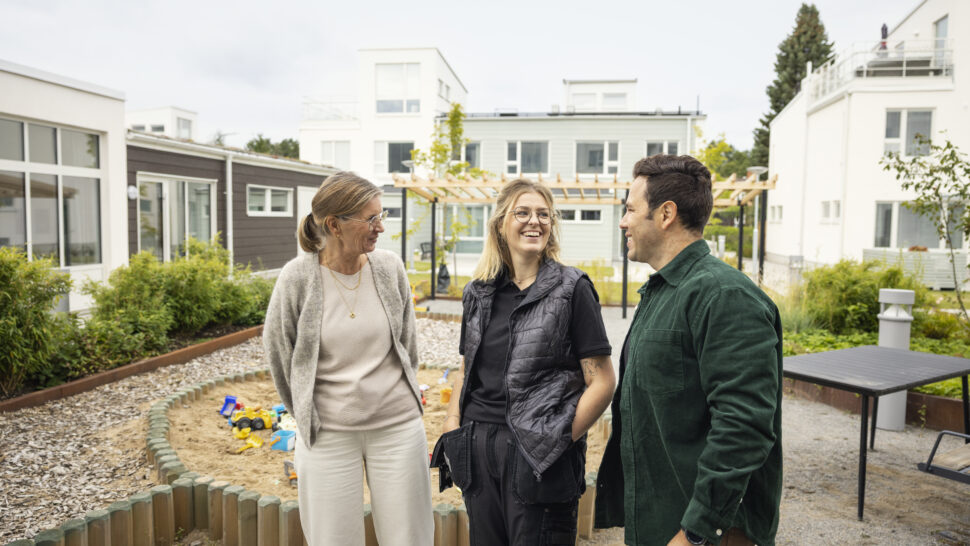


Beauty, aesthetics, and property values may be what first attract residents to a community association, but neighborly spirit is what helps a community thrive and encourages residents to stay. Good Neighbor Day on Sept. 28 is a timely reminder that strong communities are built through everyday acts of care, service, and connection.
Board members and community managers can do a lot to encourage good neighbors. Those efforts often begin with simple, intentional acts of connection.
Community associations often do well in facilitating areas of immediate social interest, such as the pool, racket sports, exercise classes, cards and games, and food-centered events. However, high-functioning community associations build lasting spirit and enthusiasm by including routines and events that give back to others.
Volunteering to help others offers residents an opportunity for personal growth and creates a stronger sense of organizational purpose. Community service may include welcoming new residents, checking in on neighbors, or simply caring for residents who need physical or emotional support.
Many community associations agree that personally welcoming new residents is both neighborly and smart business. Once we recognize that associations are in the customer service business, being welcoming and offering assistance becomes common sense. Courtesy visits, phone calls, and handwritten welcome notes are a good start, but they do not have to be the only steps.
Next-level success often comes from the momentum created by routine gatherings.
Consider establishing a newcomers club that meets monthly to have fun and share information about the community association and the larger community. Associations also can customize a survey for residents who moved in within the previous three to six months.
These efforts help new residents feel seen, informed, and connected from the beginning.
Caring neighbors may expand their efforts to include a nurse’s closet or grandma’s attic to loan items such as crutches, canes, highchairs, and playpens.
Volunteer chauffeurs may be available for short rides to a medical appointment, or handymen might be available to help elderly residents change a light bulb in the ceiling or smoke alarm batteries. The service possibilities are only limited by the imagination and availability of people who care and have time to give to others.
Many people already serve religious or local charitable causes. The key is to recognize the service possibilities right in your own community. Helping others is rewarding. Helping your neighbor is priceless.
Giving back also can and should include the greater community beyond your association.
Supporting food and clothing drives for local shelters is a common way to give back, especially around the holidays or back-to-school time. Volunteer education programs also can create meaningful connections with students, notably in reading and math.
Inviting local school principals and school board members to speak at a town hall or special meeting is a great way to find out how your community can support the front lines in education. American Red Cross blood drives and Toys for Tots programs also look for hosts. Businesses consider their public relations role in the broader community, and community associations are no different.
For community associations, looking our best and feeling good about ourselves are connected. Capital improvements matter. Landscaping and building maintenance matter. Cleanliness and daily upkeep matter. Pride in the neighborhood matters, but it does not happen on its own. It takes people, motivation, and financial resources.
Expanding an association’s social mission to include giving back — both inside and outside the community — is one of the best ways to strengthen resident connection and satisfaction.
Happy, engaged residents are essential to continued community success. It takes a community.
Join CAI’s online community for access to the industry’s most in-demand community association resources.
Thousands of your peers are sharing advice.
Drew Mulhare is the general manager of Ford’s Colony at Williamsburg in Virginia. He has lived and worked in the community for 38 years. He has served on the CAI Board of Trustees and the Community Association Managers International Certification Board (CAMICB) Board of Commissioners. Mulhare is a CAI faculty member.