Your Vote, Your Neighborhood: How HOA Elections Work
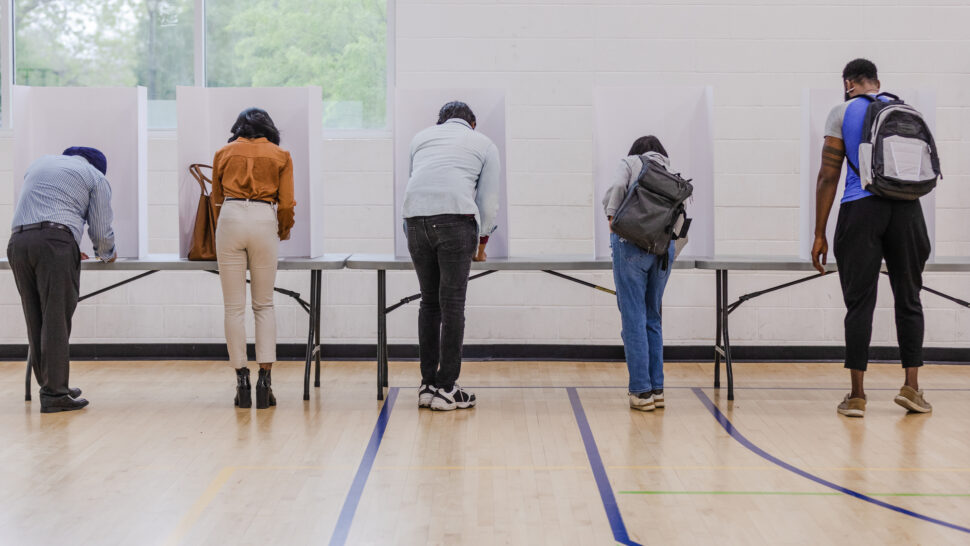


Community association residents are known as active, engaged voters in local, state, and national elections. They also have tremendous influence where it counts most: in their own neighborhood.
Community associations are democratic entities governed by boards elected by homeowners. As HOA residents head to their municipal polls to cast ballots, they’re often deciding who serves on their association board and shaping the direction of their community around the same time. Many community associations conduct their annual meetings and elections in the fall.
Proper election procedures are essential. Here’s how HOA elections typically work:
Most associations’ governing documents specify how candidates should be nominated for election — usually by a nominating committee, taking nominations from the floor at the annual meeting, or writing in candidates’ names on ballots. Boards of associations whose documents don’t address this process should implement procedures and safeguards.
Candidates should be allowed to present their qualifications and platforms to members in writing as a personal letter sent to all owners, an article in the association newsletter, or a statement posted on the association website. They also may present their qualifications in person at a special meeting where owners may see and hear candidates and ask questions, and at the annual meeting prior to the election.
During the annual meeting, give members sufficient time to mark, fold, or seal their ballots; then collect ballots in a secure manner. This process will be different if voting online.
All votes — except those on minor or procedural issues — should be recorded. This safeguards vote integrity by creating a permanent record.
A proxy is the written authorization that allows one person to appoint another to vote on their behalf. State law and the association’s governing documents specify whether an association can use proxy voting, and they may address the type (general or directed), form, and content of the proxy. Associations should consult their attorneys to ensure their proxy procedures are legitimate.
Election inspectors certify elections are conducted fairly and results are accurate either by observing or carrying out the process of collecting and tabulating ballots. Generally, three neutral people with no interest in the outcome are appointed.
No matter how the association tabulates the ballots, everyone needs to understand the correct procedures. More than one person should be involved in tabulation. Every association should review its documents to determine how to count votes.
Elections should be conducted as early in an annual meeting as possible so results can be tabulated as the meeting progresses and winners announced at the end. Online voting has become increasingly popular and can simplify the process, quickly count results, and make voting more secure.
Join CAI’s online community for access to the industry’s most in-demand community association resources.
Thousands of your peers are sharing advice.
Daniel Brannigan is CAI's senior director of publishing.